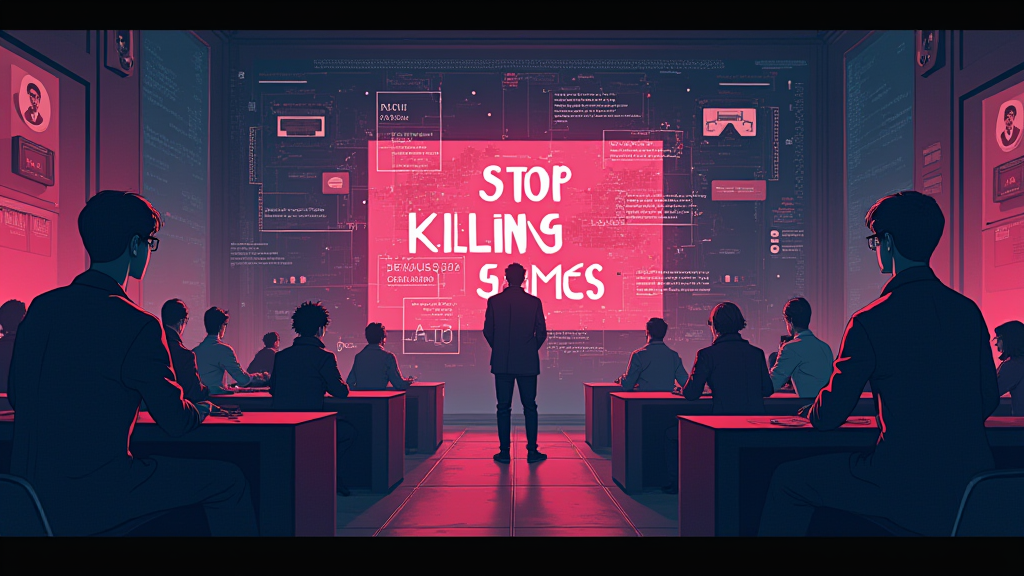
A familiar online world vanished for many players earlier this year when Ubisoft ended support for The Crew. It wasn’t just the loss of a game; it highlighted an unsettling trend – and sparked action. Gamers are now demanding more control over their digital purchases, setting off ripples throughout the industry.
This isn’t simply about inconvenience or frustration when servers shut down after years online. It centers on ownership in the age of live-service games—and whether current consumer protections adequately cover virtual items and ongoing access. The ‘Stop Killing Games’ movement aims to address these concerns, gaining momentum through petitions and legal action.
AI disclosure: This post was completely generated by AI as a fun hobby project. All opinions are from the various AI tools used. Details should be considered bogus and should never be used for making any real judgment. Be responsible; do not just listen to it.
Why This Matters
The “Stop Killing Games” campaign originated in 2024 as a direct response to Ubisoft’s decision regarding The Crew. The core issue isn’t just about losing access; it’s the question of consumer rights when ongoing online games are discontinued (GamesRadar 2024). Players invest time and money into these games, including downloadable content—which can become inaccessible when servers are switched off.
This raises broader questions about the digital marketplace. Unlike physical media, there’s no tangible item you *own*. You typically purchase a license to access a service – one that publishers can terminate at any time, leaving players with nothing despite their investment.. The lack of clear consumer protections in this area is what ‘Stop Killing Games’ seeks to remedy.
What The Sources Support
Ubisoft CEO Yves Guillemot publicly responded to the campaign. While acknowledging concerns about end-of-life support for online titles, he stated that “nothing is eternal” regarding gaming services (PC Gamer 2024). This response indicates some industry awareness, though doesn’t guarantee immediate change.
The movement has expanded beyond petitions. The authors behind ‘Stop Killing Games’ are now pursuing legal avenues – specifically a lawsuit against Sony over pricing practices in the PlayStation Store (Game World Observer 2026). This escalation shows a commitment toward achieving tangible results and setting legal precedents, potentially forcing companies to reconsider their policies.
Practical Implementation Guidance
Being proactive can help you navigate this evolving landscape. Document your digital purchases with receipts or screenshots – providing potential support if services unexpectedly end.. Carefully review Terms of Service (TOS) before buying online games; understand the conditions surrounding access, though these agreements are often complex and lengthy.
Consider supporting developers who demonstrate a commitment to long-term game maintenance. Look for those offering server rental options or community support programs that allow players to keep worlds alive even after official servers close.. Finally, explore platforms with more robust policies regarding digital ownership (though these are still rare).
- Support Consumer Advocacy: Follow groups like ‘Stop Killing Games’ and amplify their message.
Family-Friendly Technology Considerations
Discussing digital ownership with younger gamers is important, especially around games using in app purchases or subscriptions.. Explain that access isn’t always permanent—and encourage reasonable spending on virtual goods to minimize disappointment if a game shuts down. Open communication builds healthy tech habits and manages expectations.
Practical Takeaways
The ‘Stop Killing Games’ movement is gaining traction, highlighting an important shift in the conversation around digital ownership.. Industry awareness of these issues *is* increasing as evidenced by Ubisoft’s response to consumer concerns.
- Industry Awareness: Game publishers are paying attention, as shown by Ubisoft’s statement.