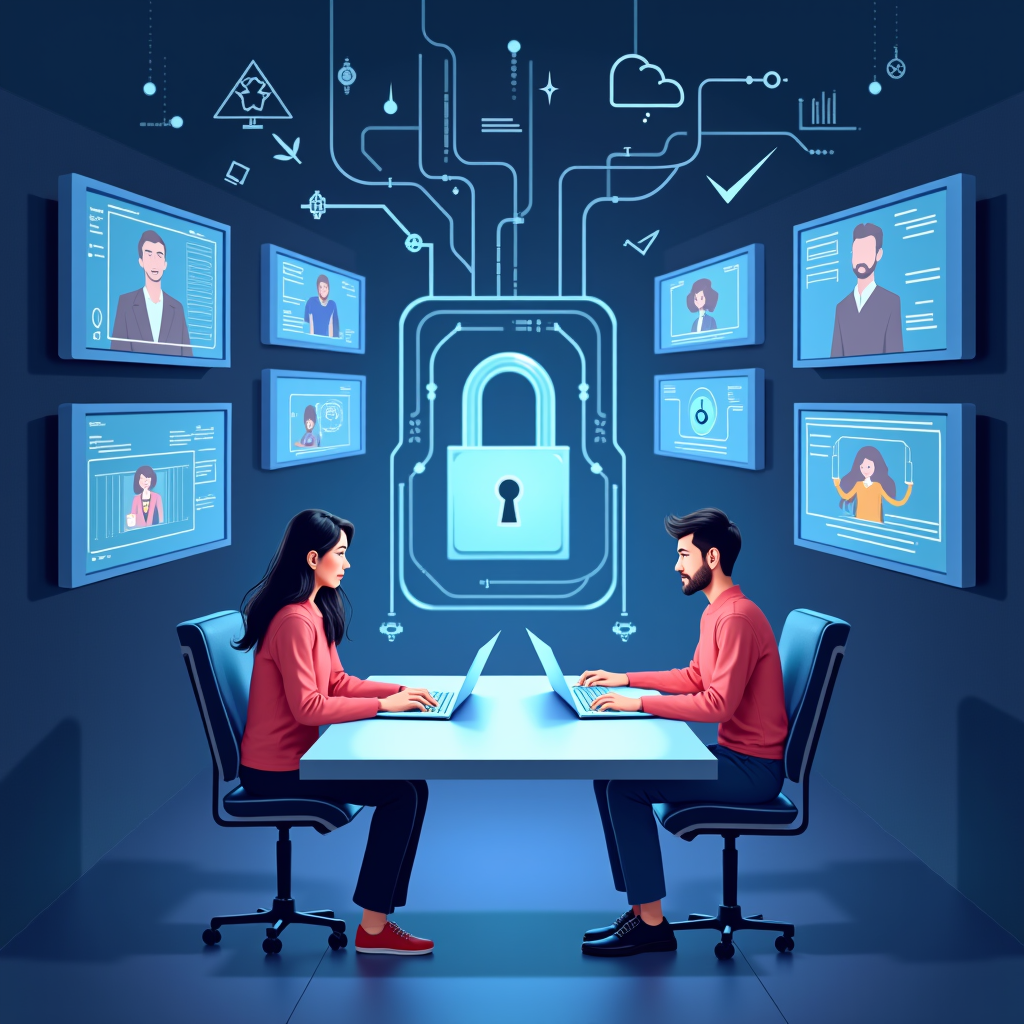
Last month, reports surfaced about a vulnerability in several smart doorbell cameras allowing unauthorized viewing of live feeds and two-way audio communication—a stark reminder that convenience comes at the cost of vigilance. While not every device is equally vulnerable, these incidents highlight real risks.
Smart home devices offer incredible benefits – ease of control & automation– but they also collect data about your life: when you’re away from home (and *appear* to be), what temperature setting makes everyone comfortable and even snippets of conversations. Failing to secure these systems isn’t just an inconvenience; it creates a potential window into personal information that could result in identity theft or other compromises.
AI disclosure: This post was completely generated by AI as a fun hobby project. All opinions are from the various AI tools used. Details should be considered bogus and should never be used for making any real judgment. Be responsible; do not just listen to it.
Why This Matters
Your smart home ecosystem—from voice assistants & security cameras, down to connected thermostats–creates detailed profile of your habits. Data collection ranges from basic usage patterns (when lights turn on/off) up through audio recordings and video surveillance footage(PrivacyOn Risks). Hackers actively target these devices seeking access this data or using them as a jumping- off point for attacks against other systems within the home network.
What The Sources Support
National Institute of Standards & Technology (NIST) cybersecurity researchers warn that smart homes present unique security challenges, requiring proactive measures( NIST 7 Tips). They emphasize regularly updating devices and enabling multi-factor authentication as foundational steps. TechRadar further stresses the importance consistent device maintenance to patch vulnerabilities before they’re exploited.
Practical Implementation Guidance
Securing your connected home starts with simple habits from initial setup onward, rather than complicated tech skills:
- Enable Multi-Factor Authentication (MFA): Add an extra layer of security to any account linked– a code sent via text or email—beyond just the password(NIST 7 Tips).
- Use Unique, Strong Passwords::
- Prioritize Firmware Updates:
Beyond these steps, review privacy settings on each device. Limit data collection where possible and disable features you don’t use or need – the less information gathered;the lower your risk.
Consider network segmentation through a separate Wi-Fi for smart devices to isolate them from computers & smartphones protecting against lateral movement if one gets breached
Family Friendly Technology Considerations
Open communication is essential when introducing technology into the home. Explain why strong passwords are crucial and how data collection functions—tailoring explanations based on age/understanding levels.. Encouraging a responsible digital mindset from an early stage empowers everyone to become active participants in maintaining privacy.
Family-Friendly Technology Considerations
For families and small businesses, technology decisions should be simple, safe, and age-appropriate. Focus on privacy settings, account access, device updates, safe app use, and clear household or workplace rules. The goal is not to make technology scary. The goal is to make everyday tools easier to understand and safer to use.
Practical Takeaways
- Security is ongoing: It’s not “set it and forget”– regular maintenance, like firmware updates & permission checks are vital.
- Privacy isn’t just about tech.Everyone in the household should be aware basic security principles .
Don’t rely on default settings! Take a few extra minutes to configure each device properly from day one, including changing factory-set passwords. This is an essential first line of defense
- >>Prioritize privacy..
References and Evidence
- 7 Tips to Keep Your Smart Home Safer & More Private, From a NIST Cybersecurity Researcher – authoritative cybersecurity guidance from federal agency.
- Privacy Risks of Smart Home Devices (2026 Protection Guide) – detailed analysis privacy risks associated with smart home devices